
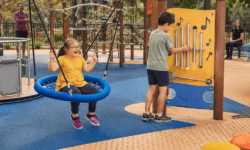
How Therapeutic Playground Equipment Supports Sensory Integration
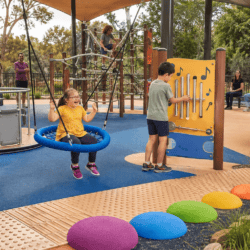 Inclusive playgrounds do far more than provide opportunities for fun. They can help disabled children explore movement, touch, sound and body awareness in ways that support sensory regulation, confidence and physical development. This guide explains how different types of playground equipment relate to vestibular, proprioceptive, tactile, visual and auditory sensory systems, why occupational therapists recommend particular activities, and how families can create positive playground experiences that reflect each child’s unique sensory profile. It also looks at accessibility features that make playgrounds welcoming for children with different disabilities.
The post How Therapeutic Playground Equipment Supports Sensory Integration appeared first on Disability Horizons.

 Social media platforms are designed to reward engagement, but that often means rewarding conflict, certainty and outrage above careful discussion. Joanna Grace explores how algorithms shape public conversations about SEND, why nuance is increasingly difficult to sustain online, and what that could mean for education policy, disabled people and the future of meaningful debate.
 Planning an accessible weekend in Newcastle? This guide covers wheelchair-friendly attractions, step-free transport, accessible accommodation, restaurants, Blue Badge parking, Changing Places toilets and practical tips to help you enjoy the city with confidence.
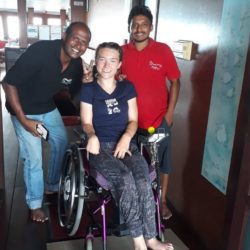 Many people assume travelling as a wheelchair user is simply too difficult. Liesl Hammer has spent a lifetime proving otherwise. After visiting countries across Europe, Africa and Asia, flying independently and finding accessible adventures in unexpected places, she shares the experiences that shaped her love of travel, the barriers she’s encountered and the practical tips that can help other wheelchair users plan their own journeys with confidence.
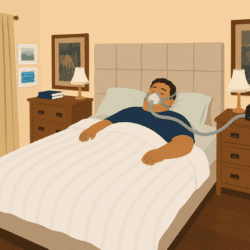 Persistent snoring is often dismissed, but it can be an early sign of obstructive sleep apnoea. This guide explains the symptoms, why disabled people may face additional barriers to diagnosis, and how treatment can improve quality of life.
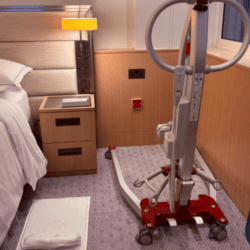 Royal Lancaster London has become one of the first mainstream UK hotels to offer guests a bookable mobile hoist. Developed with accessibility campaigner Martyn Sibley, the initiative could remove one of the biggest barriers faced by disabled travellers who rely on hoists. Drawing on lived experience, this article explains why accessible rooms need more than grab rails and why other hotels should follow.
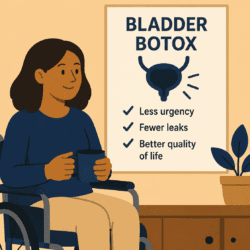 Bladder Botox is one of the most effective treatments for many people living with overactive bladder or neurogenic bladder, yet awareness remains surprisingly low outside specialist clinics. Drawing on our own experience following spinal cord injury, alongside NHS, FDA and clinical guidance, this guide explains how bladder Botox works, who may benefit, what happens during treatment, possible side effects, recovery, catheterisation, and how to access treatment in both the UK and the United States.
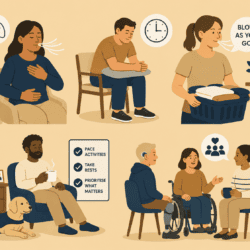 Breathlessness and fatigue can affect everyday life for people with COPD, pulmonary fibrosis, lung cancer, mesothelioma, long COVID and other respiratory conditions. This practical guide shares ways to pace activities, manage breathlessness, adapt the home, use assistive equipment, seek support and understand available financial help.
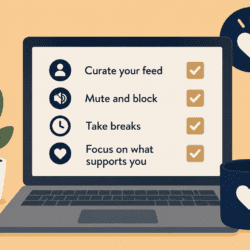 Social media can help disabled people find community, advice and support, but it can also expose them to ableism, misinformation and constant public scrutiny. Learn practical ways to protect your mental wellbeing while staying connected online.