Night Sweats, Disability and Sleep: Fixing Temperature Swings in Bed
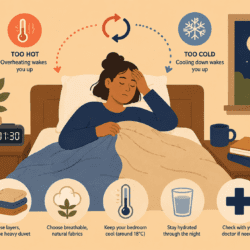 Many people wake repeatedly because their body struggles to stay at a comfortable temperature overnight. Conditions such as PoTS, spinal cord injury, autonomic dysfunction, chronic illness and hormonal changes can make sleep a constant cycle of overheating and cooling down. This guide looks at why temperature regulation affects sleep and explores practical ways to create a more stable sleeping environment.
The post Night Sweats, Disability and Sleep: Fixing Temperature Swings in Bed appeared first on Disability Horizons.



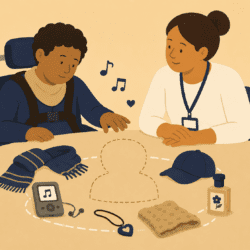 People with profound and multiple learning disabilities may experience grief through absence, sensory change and the loss of familiar presence. This article explains how families, carers and supporters can respond with patience, sensory stories, shared memories and the simple but powerful act of being with someone as they process bereavement.
 Telehealth can make healthcare easier to access for many disabled Australians by reducing travel, waiting-room stress, fatigue, and support coordination. This article explains when telehealth works well, when in-person care is still needed, and what adjustments disabled people can ask for before an appointment.