
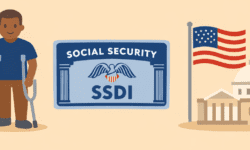
Securing Social Security Disability Benefits After a Life-Altering Injury or Illness
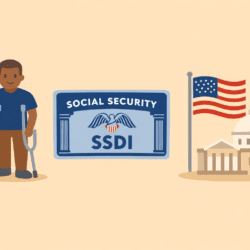 Important: This guide is about United States disability benefits, specifically Social Security Disability Insurance (SSDI) and other programs run by the Social Security Administration (SSA). If you are based outside the US, the details here will not apply directly, but many of the barriers described — paperwork overload, delays, and repeated assessments — may still …
The post Securing Social Security Disability Benefits After a Life-Altering Injury or Illness appeared first on Disability Horizons.
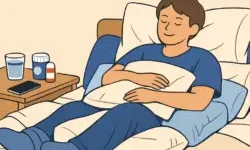
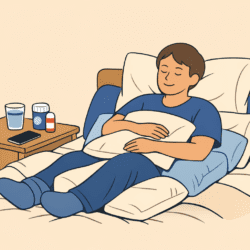 Falling asleep when you live with pain, spasms, or deep fatigue usually has very little to do with being “tired enough”. It is about setting things up so your body has fewer barriers to rest. Many disabled people find that sleep improves through small, repeatable adjustments rather than chasing an ideal routine that never survives …


 Wellness advice often assumes stable energy, reliable focus, and bodies that respond predictably. For many disabled people, that simply isn’t how daily life works. Energy fluctuates, symptoms change, and capacity can drop without warning. This article explores wellness habits that adapt to real disabled lives—routines built around predictability without rigidity, support without pressure, and practices …