
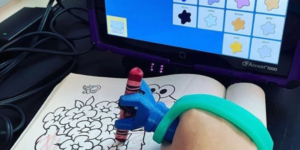
Back to School Challenges
It’s that time of year again, the summer holidays are over and the kids are back at school. When you have a child with reduced hand function, back to school season is more complicated than a new uniform. Kids don’t come with an easy-read guide of everything they’ll need for their new classes. You can … Read more
The post Back to School Challenges appeared first on The Active Hands Company.
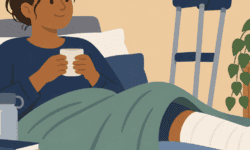
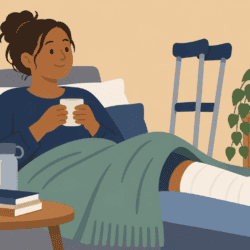 Recovering from surgery at home can involve more than rest and wound care, particularly for disabled people and those managing long-term conditions. We examine 10 common myths about home recovery, including pain, movement, blood clots, personal assistance, temporary disability equipment, existing home adaptations and mental wellbeing after surgery.
 Comping means regularly entering competitions, giveaways and prize draws in the hope of winning anything from shopping vouchers to technology and holidays. For some disabled people, it can be a flexible hobby that fits around changing energy levels and access needs. However, inaccessible websites, CAPTCHAs, complicated social media entry rules and scams can create barriers. We look at how comping works, what experienced compers do, accessibility issues to consider and how to get started without treating prize wins as a dependable income.
 UK rapper and wheelchair user JOHKES discusses his new album, Peace I Can’t Wake To, and returning to songwriting after his 2023 road traffic accident and coma. He talks about writing music from a hospital bed, changing ideas about independence, inaccessible recording studios and music venues, the extra costs disabled artists can face, and writing about family, guilt, forgiveness and humour. JOHKES also explains why accessible studios, stages, toilets, parking and outdoor surfaces can determine whether disabled musicians can work and perform independently.
 Website accessibility can affect whether disabled visitors are able to find information, complete forms, book services and make purchases. This guide explains common accessibility barriers involving keyboards, screen readers, alt text, colour contrast, captions and forms, as well as what WCAG 2.2 AA means in practice. It also covers how to test website builder templates, why automated accessibility checkers are not enough on their own, and why accessibility testing needs to continue after a website launches.
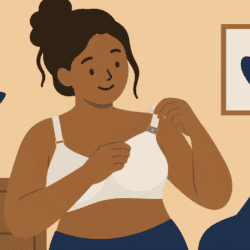 Adaptive nursing bras can reduce dressing and feeding barriers for disabled women who have reduced dexterity, limited reach, fatigue, pain or sensory needs. This guide looks at one-handed fastenings, front-opening bras, nursing clips, seated dressing, fit and sensory comfort. It also explains why mainstream nursing bras and separate bra fastening aids can sometimes be as useful as specialist adaptive products.
 Disabled parents can face childcare barriers that standard comparisons rarely consider, including inaccessible journeys, fixed collection times, communication preferences, fluctuating energy and the extra coordination involved when care arrangements change. This guide compares seven childcare options for US families in 2026, covering au pairs, nannies and backup childcare services. Drawing on Clare and Duncan Edwards’ experience employing and living with nannies while organising care for their disabled son, Joe, it looks at costs, scheduling, accessibility, household privacy, recruitment, handovers and what happens when regular childcare falls through.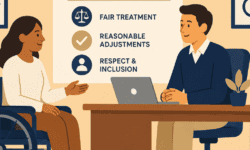
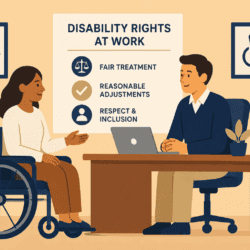 Workplace disability discrimination laws protect disabled employees in both the UK and USA, but the rights, terminology, claims processes and compensation rules differ. This guide compares the Equality Act 2010 and Americans with Disabilities Act (ADA), reasonable adjustments and accommodations, mental health disclosure, workplace barriers, injury to feelings, emotional harm, California FEHA protections and the evidence that can support a discrimination claim.
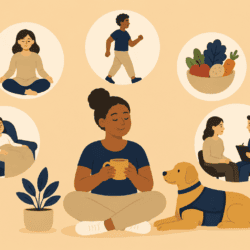 Chronic pain does not automatically mean surgery. UK guidance supports several non-surgical approaches, although the right treatment depends on whether someone has chronic primary pain or pain linked to an identifiable condition. This guide covers exercise, pacing, CBT and ACT, pain management programmes, acupuncture, specialist procedures and practical daily strategies. It also explains the NHS pain pathway, when to seek further medical advice and where disabled people can find free UK pain support.
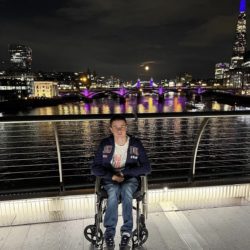 In 2016, 13-year-old Liam Virgo suddenly lost his ability to walk and talk. He was later diagnosed with severe Functional Neurological Disorder (FND) and became bedridden, unable even to tolerate sitting in a wheelchair. Ten years on, at 23, he’s travelling, advocating for the FND community, and still working out what “adulthood” means when so much of his teenage years were spent in a hospital bed rather than at school with friends.