
7 Sensory Friendly Holiday Gift Ideas
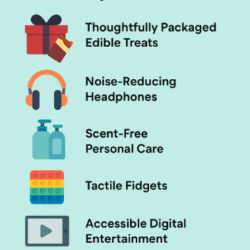 The holidays bring joy, but they also bring overwhelming stimulation for some people. Bright lights flash in every store window, holiday music loops endlessly, artificial cinnamon scents saturate shopping centres, and everyone wants you to wear scratchy sweaters for family photos. For people with sensory sensitivities, whether from autism, ADHD, anxiety, or sensory processing differences, …
The post 7 Sensory Friendly Holiday Gift Ideas appeared first on Disability Horizons.

 I’ve found creatine really helpful in my daily life, both as a carer and as someone managing the physical and mental demands of running Disability Horizons Shop. I wanted to share my experience — and what the research says — so others can make informed choices about how it might help them too Key Takeaways …
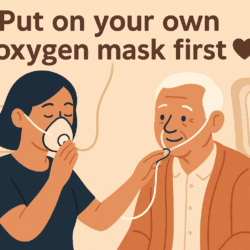 Like the safety advice on a plane — put on your own oxygen mask first — carers need to prioritise their own wellbeing. You don’t have to be perfectly fit or endlessly upbeat. But being well enough, emotionally and physically, to offer care in a way that’s positive and sustainable really does matter. Feeling drained, …
 After the recent loss of sensory education pioneer Flo Longhorn, many of us have found ourselves reflecting on the values and practices that continue to shape inclusive support for people with profound and multiple learning disabilities (PMLD). In that spirit, we’re proud to share this thoughtful new piece from Joanna Grace, founder of The Sensory Projects and a long-time advocate for sensory inclusion and person-centred care.

 In a world where accessibility is often overlooked, humour can be a soft but powerful force for change. Memes — those bite-sized cultural snapshots — have grown from light online entertainment into tools of social commentary, self-expression, and community building. For disabled people, memes provide a platform to share experiences, challenge stereotypes, and turn everyday …