
 After the recent loss of sensory education pioneer Flo Longhorn, many of us have found ourselves reflecting on the values and practices that continue to shape inclusive support for people with profound and multiple learning disabilities (PMLD). In that spirit, we’re proud to share this thoughtful new piece from Joanna Grace, founder of The Sensory Projects and a long-time advocate for sensory inclusion and person-centred care.
In this honest and heartfelt reflection, Joanna takes us on a journey through the evolution—and misinterpretation—of the concept of “age-appropriateness.” What began as a vital pushback against the infantilisation of disabled people in institutions, eventually turned into a rigid and often cruel set of norms. Somewhere along the line, support teams were told that to treat someone with dignity meant denying them access to the toys, media, and objects they loved—if they didn’t match their chronological age.
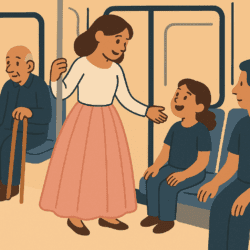
Through stories from her teaching career, personal moments (including a lovely train encounter involving a big pink tulle skirt), and a sharp eye for social contradiction, Joanna argues for a more compassionate approach: “person-appropriate” support.
Why should a 25-year-old man in a care setting be made to give up his Thomas the Tank Engine plate, when adults everywhere eat from cartoon-themed lunchboxes and wear novelty socks without question? Why should joy and comfort be restricted by numbers on a birth certificate?
This article blends storytelling with social critique, grounding its message in both lived experience and academic context. With references to Wolfensberger’s Normalization Principle, the Social Model of Disability, and critiques from contemporary thinkers like Julia Barnes, Joanna builds a case for respecting what matters to a person—not what’s socially expected of them.
Her message is clear:
“Joy doesn’t have an age limit. Being person-appropriate means valuing what people love, not shaming them for it.”
Whether you’re a support worker, a parent, a policy-maker, or simply someone who enjoys plush toys and cartoons well into adulthood—this article will leave you feeling affirmed, challenged, and warmly invited to rethink what inclusion really means.
The post Age Appropriate or Person Appropriate? appeared first on Disability Horizons.